How Authors Can Harness the Power of Collaboration & Collective Promotion was originally published on DanSoule.com.
In the competitive world of publishing, authors often face numerous challenges when it comes to marketing and promoting their work. It’s hard to get heard. There are so many new books coming out every week. Then there are the old classics on a TBR list a mile high. Ads can be expensive for indie authors, and traditional authors don’t control their marketing budget. Social media cliques seem random and hard to become a part of. However, there is something we can do, and do together. By fostering a supportive network among fellow authors, both self-published and traditionally published authors can harness the power of collaboration and collective promotion.
In this blog post, we will explore various ideas and strategies to genuinely support and uplift other authors, with the ultimate goal of building a strong marketing network.
1. Recommending fellow authors to your mailing list
One powerful way to support fellow authors is by recommending them to your mailing list. Sharing their work with your dedicated fanbase can introduce new readers to their books and create a mutually beneficial relationship. By showcasing authors whose work you admire, you not only strengthen their visibility but also position yourself as a trusted source of recommendations.
2. Recommending fellow authors to podcasts
Podcasts have become a popular medium for book discussions, author interviews, and literary conversations. A meaningful gesture of support is reaching out to podcast hosts and suggesting fellow authors as potential guests. Through direct messages or introductions, you can help expand their reach and provide them with an opportunity to share their stories, insights, and expertise with a new audience.
3. Interviewing fellow authors for your platform
Extend a helping hand by interviewing fellow authors on your blog, website, or social media platforms. By giving them a platform to share their experiences and ideas, you not only provide valuable exposure but also foster a sense of camaraderie among authors. These interviews can generate engaging content for your readers and allow them to discover new voices within the writing community.
4. Writing reviews for popular blogs
Another way to support authors is by writing reviews for popular blogs or literary websites. By sharing your thoughts on their books, you contribute to their visibility and help potential readers make informed choices. Positive reviews can lead to increased sales and exposure, benefiting the authors’ careers. Additionally, your participation in the wider literary conversation enhances the overall credibility of the writing community.
5. Writing reviews on platforms like Amazon
Beyond blog reviews, consider leaving honest and thoughtful reviews on platforms such as Amazon, Goodreads, or other online bookstores. Positive reviews help boost authors’ visibility and encourage potential readers to explore their work. Remember, your words have the power to influence readers’ purchasing decisions, so provide genuine feedback and highlight the strengths of their books.
6. Reading manuscripts and offering feedback
Offering to read and provide constructive feedback on manuscripts can be an invaluable contribution to fellow authors. This gesture not only helps them refine their work but also shows that you genuinely care about their success. Constructive criticism and thoughtful suggestions can lead to improvements and further development of their writing skills. By actively engaging with their work, you build strong connections and foster a culture of support within the writing community. This is time consuming but the potential reward in terms of fostering trusted relationships with a handful of authors could prove invaluable in the long run.
7. Blurb books
When you come across exceptional books that resonate with you, consider offering to provide a blurb for the author. Blurb endorsements from respected authors can significantly impact readers’ perception and generate interest in a book. However, it is essential to be honest and only offer a blurb when you genuinely believe in the quality of the work. Authentic blurbs create trust among readers and maintain the integrity of the writing community. Traditional authors also consider doing this for indie authors. You won’t catch the plague and indies often tap into audiences neglected by big publishing houses. Plus, they have some of the best books going. On the flip side don’t blurb books with high praise that don’t deserve it just for the back scratch. You sully the pool for everyone and undermine the trust of readers.
8. Zoom meetings to share advice and experiences
Connecting with fellow authors through Zoom meetings or online forums allows for valuable discussions, idea sharing, and mutual support. These interactions create a sense of community and enable authors to exchange marketing strategies, promotion ideas, and writing tips. By openly sharing experiences, successes, and challenges, authors can learn from one another and collectively navigate the ever-evolving publishing landscape.
9. Genuinely celebrate fellow authors on social media
Beyond the usual likes and retweets, take the time to genuinely celebrate fellow authors on your social media platforms. Share their achievements, book releases, and accolades with your audience. By amplifying their successes, you not only show your support but also introduce your followers to new authors and their work. Remember, a rising tide lifts all boats, and celebrating the achievements of others creates a positive and supportive environment within the writing community.
10. Create connections between authors
Act as a bridge between authors by introducing them to one another. Connect authors with complementary writing styles or genres, fostering potential collaborations, joint marketing efforts, or even mentorship relationships. By facilitating these connections, you contribute to a stronger network and a culture of collaboration rather than competition. Sharing resources, advice, and experiences can empower authors and foster a sense of camaraderie that benefits all involved.
11. Purchase fellow authors’ books
Support fellow authors by purchasing their books. This not only provides direct financial support but also helps boost their sales rankings, visibility, and overall success. Actively engage with their work, leave reviews, and recommend their books to friends, family, and book clubs. Your genuine support and endorsement can lead to increased exposure and a wider reader base for fellow authors.
12. Collaborate on creative projects
Consider collaborating with fellow authorson creative projects such as short stories, anthologies, or even co-writing a novel. Collaborations provide a platform for cross-promotion, where each author can tap into the other’s audience and expand their reach. Moreover, collaborative projects foster creativity, spark new ideas, and allow authors to learn from one another’s writing styles and perspectives. The combined efforts of multiple authors can create unique and captivating works that resonate with a broader audience.
13. Cross-promote releases across platforms
When you or a fellow author have a new book release, seize the opportunity to cross-promote across platforms. Share information about the release on your website, social media channels, and newsletter, giving a proper mention rather than just sharing a link. By leveraging your established audience, you help generate buzz and increase visibility for both yourself and fellow authors. Remember to approach cross-promotion with a spirit of collaboration and reciprocity, as mutually beneficial partnerships can lead to wider exposure and increased success for everyone involved.
14. Recommend fellow author’s books to local bookstores
Reach out to local bookstores and recommend books written by fellow authors. Many independent bookstores value recommendations from members of the writing community and are often open to showcasing local talent. By advocating for your peers, you not only support their sales but also contribute to a thriving literary ecosystem within your community.
15. Recommend fellow author’s books to local libraries
Libraries are vital hubs for book lovers and readers of all ages. Suggesting books by fellow authors to your local library can help increase their circulation and introduce new readers to their work. Libraries often welcome recommendations and appreciate community involvement. By promoting fellow authors in this way, you contribute to their visibility and enable more people to discover their writing.
16. Recommend fellow author’s books to book clubs
Book clubs provide a unique platform for discussion and discovery. Recommend books by fellow authors to book clubs, either in your local community or online. Sharing titles and authors that have resonated with you can spark engaging conversations and expand the readership for your peers. Book club recommendations also have the potential to generate word-of-mouth buzz and lead to increased sales and exposure.
Conclusion Building a supportive marketing network among authors is an investment in both individual success and the collective growth of the writing community. By genuinely supporting and promoting fellow authors, we create a culture of collaboration, encouragement, and mutual empowerment. Through actions such as recommending authors to our mailing lists, sharing their work on podcasts, and writing reviews, we expand their reach and introduce their talent to new audiences. Engaging in activities like manuscript readings, collaborations, and cross-promotion allows us to forge meaningful connections and strengthen our ties within the writing community. Celebrating fellow authors on social media, connecting them with one another, and advocating for their books in local bookstores, libraries, and book clubs further amplify their voices and contributions. By investing our time, resources, and expertise in the success of others, we foster an environment where all authors can thrive. Together, we can create a vibrant and supportive ecosystem that benefits each member and showcases the power of unity in the world of literature.
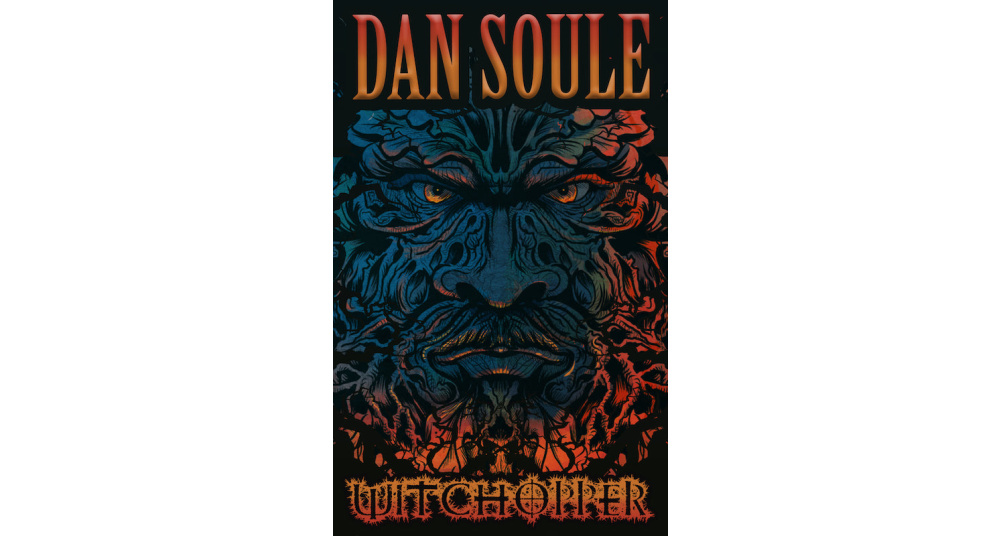
So, if you are looking to try out some of these ideas, this post is sponsored by my novel Witchopper. Maybe you could show it some love?
If you see her, then you’re dead…
All Rob wanted to do was fit in at his new school after being torn from London so his parents could fix their marriage. But when Rob’s journalist father dragged him along to investigate the legend of the Witchopper for the local paper, her curse became their reality.
She was priestess to the pagan god of the wild wood, hanged by a rabid mob for her unspeakable crimes. Now, something far worse than the hell of high school is after Rob and his dad…
Do you save a new document every time you do a major revision?
Or do you write over the same draft?
I have learned the hard way that, even with minor changes, it’s a huge mistake to rewrite and edit over the same document.
I’ll give you an example with my current WIP, a short story …
In the middle of revisions, I decided to move elements around. I cut a scene, planning to paste it in another area, but I got distracted editing other mistakes I caught along the way. I cut more sentences, never having pasted the first scene in its new spot (or at least a temporary spot).
I saved over the draft without realizing what I had done. When I looked for the scene later, it was long lost, and I didn’t have the original draft to get it back.
This is just one horror story about why writers need to keep all drafts and ideas, no matter how useless they seem. Here is an article from Self-Publishing News that outlines all the reasons you should keep everything you write and never delete your drafts.
***
Keep Everything You Write And Never Delete Your Drafts
Should you keep everything you write? Yes, definitely.
Words have value, even if you might not think so at the time.
If you are a new, young writer, make it a habit to save and store all your writing.
It doesn’t matter if it’s a half-finished poem, an introduction for an essay, or a failed attempt at a short story.
Why you should keep everything you write
Every writer has a file of unpublished work, often containing many more words than those published.
But just because writing is unpublished doesn’t mean it has no value.
Unfinished pieces of writing can sometimes become a source of ideas for you later.
Two verses of an incomplete poem might give you the inspiration for a short story or even a novel.
I often return to my writing archive for ideas or notes.
It saved me a lot of work recently. My publisher is producing an audiobook version of one of my earlier novels.
But the story involves quite a few characters, as it is set in different decades and countries.
Because of this, my publisher asked for a list of characters with a brief description to assist the narrator.
Within a few minutes, I found the list and accompanying notes from over ten years ago in my writing archive. It saved me days of work.
That’s one simple example of the value of keeping everything you write.
Never hit delete – hit save
You can recycle most rubbish. It applies aptly to writing.
You might think that what you write today is garbage. But it has value, and one day, you never know.
Some writers keep their work in notebooks, files, or journals. But most writers today store their work on a computer or online.
Storage space is of no concern to a writer. A full manuscript for a novel takes up far less space than one photo on your phone.
You don’t need to be pedantic like me. But I have all my writing in date-ordered files, with sub-folders for every project.
Yes, I keep everything and never trash a word.
Nothing you write is a waste
Every word you write counts.
Maybe not today. But when you need an idea or think you have writer’s block, your saved words can help you.
Reading some of your incomplete pieces of writing can give you a quick kickstart. You might even stumble upon a piece worth salvaging and start rewriting it again.
As a self-published author, I am always looking for new ways to expand my readership. After being exclusively with KDP for many years, I felt like I reached a plateau. When thinking about releasing my first full-length novel series, I wondered, how can I launch bigger?
Then I heard about Kindle Vella, a serialized fiction platform. It’s always tempting to jump on the next big thing in the publishing industry, but it’s also a huge risk. Is it worth your time to publish on Kindle Vella?
I say yes, but not for the reasons I originally tried it.
What is Kindle Vella?
Kindle Vella allows you to issue your story out in 600-5,000 word “episodes.” Some authors write as they go. I uploaded a novel I’d already written one chapter at a time. Think of a literary version of Netflix. Its competitors are Radish and Wattpad.
Authors can release episodes right away (though there is a small wait for review and approval) or they can space releases daily, weekly, monthly—pretty much however they want.
Readers get to read the first three episodes for free. Then they must buy tokens on Amazon to “unlock” each new episode. Vella stories are read in your Kindle Reader, using the Kindle App for iOS and Android, or on Amazon’s website.
How to Publish to Kindle Vella
The Kindle Vella Publishing interface is super lean, and the process is streamlined. Simply add a title, write or paste your episode into the text box, and hit save, publish, or schedule.
Benefits of Kindle Vella for Authors
What’s unique about Kindle Vella is that authors can leave a note at the end of each episode for the reader. This is my favorite feature for authors. It’s a place to talk about where story ideas come from, share interesting research notes, expand on character’s perspective, and reveal relevant personal anecdotes.
Kindle Vella has also added a poll feature, where authors can post a question to their readers.
Readers may show their appreciation by giving episodes a thumbs up. At the end of the week, the are prompted to “crown” their favorite story, adding an extra element and social-media type of upvoting system.
Vella says authors earn 50% of the money readers spend on the tokens used to unlock their story episode, which is about midway between the 30% or 70% you earn with KDP. It’s possible that if readers spend more using the token system than they do for the flat rate book, it works out that you earn more.
In addition to royalties, a monthly bonus is delivered to authors based on episodes read and customer interaction.
Drawbacks of Kindle Vella for Authors
Your existing readership might not know how to or want to use Kindle Vella. I was hoping my existing readers would try Vella and give my story some initial activity so that new readers would find me, but only a few were willing to try or knew how to access Vella.
The platform is still new and the user base seems underdeveloped. The algorithms are a mystery! SEO is severely lacking, especially in categories. You can see the options in the screen shot below. For example, if you write literary fiction or horror, where do you fit in?
Also, Vella is still only open to US authors and readers. There is a loophole—I can write and publish from my home in Panama because I have a US KDP account.
On the flipside, though Vella Readers can read free episodes outside the US, they cannot purchase tokens to finish stories unless they are inside the US. So, though I have a US Amazon account, when I am in Panama, I am blocked from buying tokens and must remember to stock up whenever I am on American soil.
Note:
True: Vella authors cannot offer or have offered the same content for free on any other platform (e.g. blog) or republish previously published books.
False: Rumor had it that authors could not publish both to Vella and as an eBook or other format. This is not necessarily true. Vella authors can upload their story to KDP for eBook, paperback, and hardcover formats as long as they wait 30 days after they’ve published their last episode on Vella.
My Experience with Kindle Vella as an Author
My strategy for Kindle Vella was to use it to generate some pre-release buzz and introduce Oblivion Black to a new market.
After hitting publish and viewing the stats in the dashboard, I quickly realized that my story was not getting found. There were only a handful of readers, according to the stats, and those were existing fans from my email list who told me they were reading my story on Vella.
Keep in mind, I have not been promoting on social media. As I said, I assumed the platform itself would organically expose me to new readers. So far, it has been hugely disappointing.
Visibility is nil. The chance of moving up in the ranks organically seems low, judging by the fact that in the past 6 months, the top Kindle Vella stories on the front page have not changed.
Why I Will Keep Publishing on Vella
I love uploading to Kindle Vellaand getting the instant gratification of seeing a piece of writing go live each day. Reviewing my story in Vella’s Kindle format has helped me in my proofreading and editing process.
Adding the authors notes was time-consuming, but truly a joy. Even if few people read them, I will be able to use them as bonus content for my mailing list or future blog posts.
Virtually no one new has discovered my book on Vella yet. Still, I will continue my Kindle Vella pre-release strategy because the monthly bonuses alone are worth it. I’m using them to fund my cover design for each book.
Why Readers Will Love Kindle Vella
Readers get to try the first few chapters for free, allowing them to tell right away if the book is a good fit. As a reader, it’s nice to have bite-sized pieces to read during in-between moments. And readers will enjoy the feeling of connection with the author and knowing the story behind the story. There is an element of anticipation and suspense as you wait for the next episode, though this can also be equally annoying. If you’re a bit masochistic or appreciate the payoffs of delayed gratification, Vella is for you. If not, (again like Netflix) there are plenty of completed stories (mine included) that you can binge through as quickly as you like.
How to Read Kindle Vella Stories
You can access Kindle Vella stories in your Kindle reader of by using the Kindle app. Download the Kindle app for iOS or Android and sign into your Amazon account. The Vella stories you follow will appear on your home tab, as well as in your library. You will get notifications from the stories you follow each time a new episode is released.
I’ve worked with many first-time self-published authors andall the writers I’ve met, I mean ALL, have stars in their eyes when they get ready to publish their first book.
Everyone has that feeling when they’ve created something special. Creativity is a divine force and we feel it’s destiny. The world has been waiting this book!
We imagine uploading our copy to Amazon and waking up in the morning with 10,000 downloads.
The truth is that, unless we have a large author platform and at least some basic PR skills, no one will even know we have a book out.
If we don’t know how to SEO our book for Amazon’s search engines, the likelihood of anyone stumbling across it are slim.
Do we have an eye-catching book cover?
Did we hire a professional editor?
Or did we just slap up our final draft and expect people to ignore any flaws because it’s The Book of Destiny?
I think every writer must to go through this.
It’s part of the process, and we have to try because, let’s face it, some writers do become overnight successes.
You can’t win the lottery if you don’t buy the ticket.
Still, I try to prepare my new author clients for the difficult road ahead. Even if your book is good, even if it’s extraordinary, you have to compete with the hundreds of thousands of other authors who have the exact same dream.
This is hard to explain to the first-time author. In my experience, they completely filter out my warnings and march ahead with a huge smile, ready for the confetti to fall and the champagne to pop.
At this point, I just wait and let them go through it. Once they realize it’s not likely they’ll become famous overnight, then they’re all ears and we can get to work.
So go ahead, choose your dream cast for the movie, visualize what you’re going to wear on Good Morning America, and practice your autograph.
Enjoy it.
Never stop dreaming about it.
Don’t give up!
Just keep in mind that it may not happen with your first book. Years later, you’ll probably be thankful it wasn’t your first book (I know that I don’t want the stuff I wrote years ago to ever surface).
Just trust that each challenge is a stepping-stone on your journey to becoming the writer you were meant to be.
Anyone can publish a book, but few authors are successful. Millions of titles come out each year. What can self-published authors do to compete in such a huge market?
Howard VanEs from letswritebooks.net talks about how to prepare and position our fiction books for self-publishing success on Amazon and other distributors (and even become a bestseller)!
Watch this presentation, plus get na free 30-minute private call with our guest speaker about how to market your book. Just start your free trial with the Writers’ Mastermind. JOIN HERE
Anyone can publish a book, but few authors are successful. According to this article on selfpublishingadvice.org, Worldometers says that 2.2 million titles were published globally in 2021. What can self-published authors do to compete in such a huge market?
Writing a fiction novel is an amazing achievement. Your future fans are waiting for your story, but your book needs to be strategically positioned and marketed to sell. However, many authors rush into self-publishing without proper research and planning.
Howard VanEs from letswritebooks.net talks about how to prepare and position our fiction books for self-publishing success on Amazon and other distributors (and even become a bestseller)!
Howard VanEs
Howard VanEs is President of Let’s Write Books, Inc., a company specializing in working with independent authors providing publishing and book marketing services. Howard has over thirty-five years of writing experience in every format imaginable, including writing thirty-three books of his own. Many of his books have been number one in their respective categories on Amazon.
Howard has also ghostwritten numerous books of others in a wide variety of genres ranging from non-fiction to books for kids to novels.
His experience includes the marketing and creation of information products: reports, eBooks, workbooks, DVD’s, audio programs, etc. Howard is also the former owner and creative director of an award-winning ad agency.
Here are some topics we’ll cover:
Is there a market for my book?
Getting titles and subtitles right
Descriptions (what’s the formula for a good description?)
Cover design
Interior design
Editing
Distribution and formats
Marketing
Bring your own questions for Howard
WHEN AND WHERE
Monday, May 23, 2022
11:30 AM EST – 04:30 LONDON
This will be a live Zoom Meeting. Recording will be available for replay.
*****
HOW TO ATTEND
Start your FREE 30-Day Trial with the Writers Mastermind to join the event. You will receive a link before the meeting.